
Core Faculty
Stephen Acabado
Professor, Chair of Archaeology Interdepartmental Program, Director of Center for Southeast Asian Studies
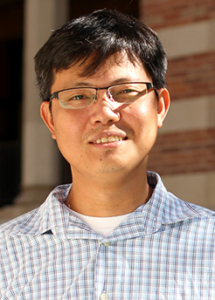
Historical ecology, landscape archaeology, agricultural systems, settlement patterns, emergent complexity, indigenous peoples; Southeast Asia, Philippines, Guam, Micronesia
Subfield:Archaeology
Contact Information
Email: acabado@anthro.ucla.edu
Office: 370 Haines Hall

Medical anthropology; political anthropology; critical disability studies; war and political violence; gender and masculinities; veterans; humanitarianism; nationalism and the far-right; politics of reproduction; Turkey, Europe, and the Middle East
Subfield:Medical and Sociocultural Anthropology
Contact Information
Email: aciksoz@ucla.edu
Office: 305 Haines Hall
H. Samy Alim
Professor and David O. Sears Presidential Endowed Chair in the Division of Social Sciences
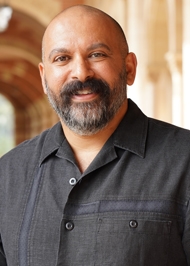
Hip Hop Culture(s) and Hip Hop Linguistics; The language and verbal art of Hip Hop Culture, locally and globally; Language, power, and identities; Language, race, racism and racialization; Black Language and linguistics; Global youth cultures; Language, culture, and education; Culturally sustaining pedagogies; U.S., Spain, South Africa.
Subfield:Linguistic Anthropology and Sociocultural Anthropology
Contact Information
Email: halim@ucla.edu
Office: 318F Haines Hall

The anthropology of transnational capitalism and finance; finance, debt and debtors’ unions; Africa in global capitalism; the economic imagination; anti-capitalist and abolitionist social movements
Subfield:Sociocultural Anthropology
Contact Information
Email: happel@anthro.ucla.edu
Office: 318E Haines Hall

Evolutionary psychology, biological anthropology, cognitive development, hunter-gatherer ecology; South America
Subfield:Biological Anthropology
Contact Information
Email: barrett@anthro.ucla.edu
Office: 376 Haines Hall

Human population genetics; molecular evolution; evidence of natural selection in the human genome; HIV, genotype-phenotype associations; convergent evolution; high altitude adaptation
Subfield:Biological Anthropology
Contact Information
Email: awbigham@ucla.edu
Office: 391 Haines Hall
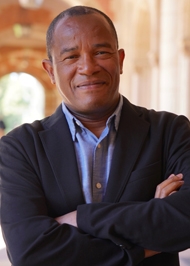
Ethnic and religious minorities; Islam; anthropology of religion, history, youth, and festival; Holocaust; sociology of Morocco; historiography; Morocco; North Africa; sub-Saharan Africa; Middle East
Subfield:Sociocultural Anthropology
Contact Information
Email: aboum@anthro.ucla.edu
Office: 316B Haines Hall

Paleoanthropology, simulation modeling, carnivore ecology, hunter-gatherers, stone technology, evolutionary theory; China; Mongolia; Tibet
Subfield:Archaeology
Contact Information
Email: branting@ucla.edu
Office: 368 Haines Hall

Sociocultural anthropology, citizenship and sovereignty, indigeneity and settler colonialism, economy and value, gender, environment, American public culture, Indian gaming; United States, Native North America
Subfield:Sociocultural Anthropology
Contact Information
Email: jesscatt@anthro.ucla.edu
Office: 397 Haines Hall

Violence; materiality; Latino migration; forensic science; archaeology of the contemporary; photoethnography
Subfield:Archaeology and Sociocultural Anthropology
Contact Information
Email: jdeleon@ucla.edu
Office: 364 Haines Hall

Technologies of language circulation; secrecy; indigeneity; semiotics; critical language documentation; language ideologies; Kiowa-Tanoan languages.
Subfield:Linguistic Anthropology
Contact Information
Email: erindebenport@ucla.edu
Office: 318B Haines Hall
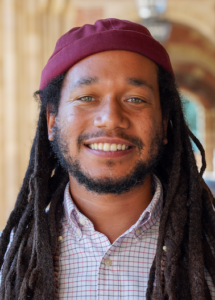
Historical Archaeology of Africa and the African Diaspora, Atlantic and Indian Ocean Slave Trade, Oral History, Community-Based Archaeology, Maritime Archaeology, Black Geographies
Subfield:Archaeology
Contact Information
Email: jdunnavant@anthro.ucla.edu
Office: 387 Haines Hall

Evolutionary psychology, biological anthropology; emotions, cooperation, aggression, social control, risk taking, ingestive and reproductive behaviors, morality, cultural evolution; Indonesia
Subfield:Biological Anthropology
Contact Information
Email: dfessler@anthro.ucla.edu
Office: 390 Haines Hall

Psychological anthropology, social theory, social relationships, social/moral emotions, methodology; Africa
Subfield:Psychological and Sociocultural Anthropology
Contact Information
Email: afiske@ucla.edu
Office: 308 Haines Hall

Biological anthropology; female reproductive life-history; evolutionary medicine; depression; dementia; longevity; endocrinology; fetal programming; metabolism; acculturation; Hispanic Americans; minority health disparities
Subfield:Biological Anthropology
Contact Information
Email: mollyfox@anthro.ucla.edu
Office: 381 Haines Hall
Phone: 310-206-4589
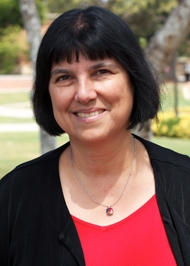
Health care decision making; health and illness in everyday life contexts; cultural models; narrative and illness; remembering
Subfield:Psychocultural and Medical Anthropology
Contact Information
Email: lgarro@anthro.ucla.edu
Office: 316A Haines Hall
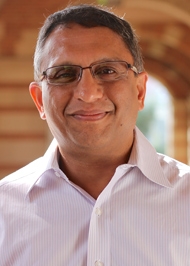
Ethnography of information technology, the state and development, anthropology of food, environmental anthropology, space and place, history of anthropology, applied anthropology; India and South Asia
Subfield:Sociocultural Anthropology
Contact Information
Email: akgupta@anthro.ucla.edu
Office: 324A Haines Hall

Civil war, violence, segregation, borders; urban anthropology; space, architecture, art, material and visual culture; medical and psychoanalytic anthropology; ethnicity and religion; kinship, gender and social theory; Greece, circum-Mediterranean area, inner-city US
Subfield:Sociocultural Anthropology
Contact Information
Email: lkainhart@ucla.edu
Office: 307 Haines Hall

Ethnopsychology and psychoanalysis; psychiatric and medical anthropology; person-centered ethnography; Indonesia, Oceania
Subfield:Psychocultural and Medical Anthropology
Contact Information
Email: dhollan@anthro.ucla.edu
Office: 306 Haines Hall
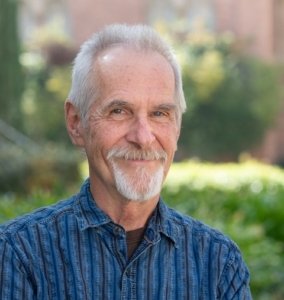
Language and culture; language contact, identity, and ideologies; anthropology and verbal art; ethnography of communication; American Indian Languages (especially the Kiowa-Tanoan and Uto-Aztecan families); the Pueblo Southwest, Central California
Subfield:Linguistic Anthropology
Contact Information
Email: paulvk@ucla.edu
Office: 329A Haines Hall

Archaeology of early village societies; sociopolitical dynamics and the origin of social inequality; Mesoamerica
Subfield:Archaeology
Contact Information
Email: lesure@ucla.edu
Office: 324B Haines Hall

Family and marriage; multi-species anthropology; pastoralism, sedenterization, and resettlement; political economy, development, and social change, gender; Himalayas, Tibet and Central Asia
Subfield:Sociocultural Anthropology
Contact Information
Email: nelevine@anthro.ucla.edu
Office: 395 Haines Hall

Digital media studies, Big Data, IT, algorithms in social life; “Virtual” Anthropology; Theories of Affect; Film and Television Studies; Feminist Anthropology and Ethnography; Postcolonial and Women of Color feminism; Queer of Color Critique. South Asian America, South Asia
Subfield:Sociocultural Anthropology
Contact Information
Email: mankekar@ucla.edu
Office: 325 Haines Hall
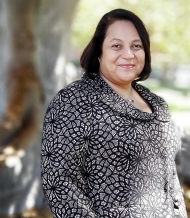
Sociophonetics; language and Identity; multimedia ethnography; experimental writing; visual anthropology
Subfield:Linguistic Anthropology
Contact Information
Email: nmd@anthro.ucla.edu
Office: 382 Haines Hall

Social archaeology and cultural history of continental East Asia focusing on emergence early civilizations in Neolithic and Bronze Age China. Historical anthropology, material culture, and conceptions of the past in early modern China. Landscape archaeology, integrating systematic survey, analysis of archaeological ceramics, remote sensing imagery, traditional studies of stone inscriptions and numismatics
Subfield:Archaeology
Contact Information
Email: limin@humnet.ucla.edu
Office: 304 Haines Hall

Urban anthropology; Inequality (e.g., race, class, and gender); identity; migration/diaspora; transnational and global processes; social change and social movement; critical and multicultural theory; Korean/Asian American Community; Korean/Asian Diaspora; Koreans/Asians in Latin America
Subfield:Sociocultural Anthropology
Contact Information
Email: kpark@anthro.ucla.edu
Office: 383 Haines Hall

Primate social relationships, primate social cognition, communication; capuchins, macaques
Subfield:Biological Anthropology
Contact Information
Email: sperry@anthro.ucla.edu
Office: 330B Haines Hall

Race/racial formation; race and political economy; cultural politics of decolonization in Africa; history and theory of anthropology; African diaspora studies and theory
Subfield:Sociocultural Anthropology
Contact Information
Email: pierrej@ucla.edu
Office: 7246 Bunche Hall

Human behavioral ecology, life history theory, reproductive ecology, maternal and child health; Australia, Namibia.
Subfield:Biological Anthropology
Contact Information
Email: bscelza@anthro.ucla.edu
Office: 396 Haines Hall
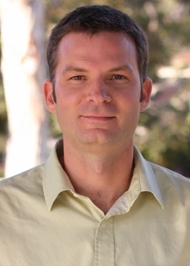
North American archaeology; population movement; origins of villages and leadership in agricultural societies; settlement systems and analysis; ceramic analysis; social context of archaeological practice; American Southwest
Subfield:Archaeology
Contact Information
Email: gschachner@anthro.ucla.edu
Office: 302 Haines Hall

Gender; human rights; folklore and material culture; visual anthropology; Middle East and North Africa
Subfield:Sociocultural Anthropology
Contact Information
Email: ssly@anthro.ucla.edu
Office: 312 Haines Hall

Urbanism, economic networks, consumption and material culture, anthropology of food, comparative historical archaeology; South Asia, Mediterranean, Southwestern U.S.
Subfield:Archaeology
Contact Information
Email: smith@anthro.ucla.edu
Office: 329B Haines Hall

Legal anthropology; indigenous rights; human rights; indigenous migration; gender; neoliberalism, race and ethnicity; sovereignty/autonomy; activist research methodologies
Subfield:Sociocultural Anthropology
Contact Information
Email: sspeed@aisc.ucla.edu
Office: 3220A Campbell Hall
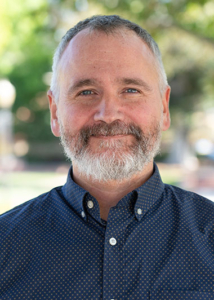
Psychological and medical anthropology, phenomenology, sensorial anthropology, theories of experience in anthropology, self and subjective experience, empathy, pain, emotion/mood, morality, temporality, anthropology of the will, Yap (Federated States of Micronesia)
Subfield:Psychocultural and Medical Anthropology
Contact Information
Email: jthroop@ucla.edu
Office: 388 Haines Hall
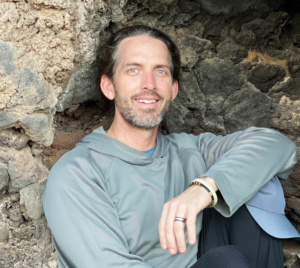
Hunter-gatherers; human behavioral ecology; evolutionary demography; foraging theory; movement ecology; social organization
Subfield:Biological Anthropology
Contact Information
Email: brianwood@anthro.ucla.edu
Office: 384 Haines Hall

Social change and development, family and kinship, cultural globalization, morality, the individual and individualization
Subfield:Sociocultural Anthropology
Contact Information
Email: yan@anthro.ucla.edu
Office: 366 Haines Hall
Affiliated Faculty

West Africa (Yoruba, Nigeria), African Diaspora (Haiti, Dominican Republic, Cuba), history of anthropology, social theory
Subfield:African History and World History
Contact Information
Email: aapter@history.ucla.edu
Office: 6265 Bunche Hall

Social inequality, violence, substance abuse, incarceration, homelessness, mental illness, ethnic segregation/conflict, HIV, urban anthropology, US inner-city, Central America and the Caribbean
Contact Information
Email: pbourgois@gmail.com
Office: B7-435 Semel

Patient-centeredness, recovery, and shared decision-making in clinic settings; research ethics; mental health stigma; physician wellness
Subfield:Psychocultural and Medical Anthropology
Contact Information
Email: ebromley@mednet.ucla.edu

Evolution of language; gesture; primate communication; human language development; parent-child interaction; language and thought; comparative cognition; great apes
Lab Website: http://linglab.ucla.edu
Contact Information
Email: cartmill@anthro.ucla.edu
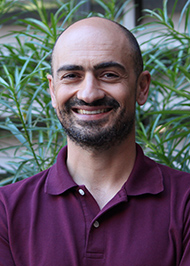
Meaning in psychosis; institutions and care; homelessness; Veteran health; political economy of health; critical global health; social psychiatry; HIV/AIDS; Africa
Subfield:Psychiatry, Biobehavioral Science, and Medical Anthropology
Contact Information
Email: ikalofonos@mednet.ucla.edu
Office: B7-435 Semel Institute

Science and technology studies, specifically internet culture and history; intellectual property; the public sphere; free and open source software; public domains; commons; authorship and ownership; the history and philosophy of science and technology in the US, Europe and India
Subfield:Sociocultural Anthropology
Contact Information
Email: ckelty@socgen.ucla.edu
Office: 3318 Life Sciences Bldg (LSB)

Evolution of diversity in socially learned behaviors, mating strategies and social structuring in Neotropical primates; capuchin monkeys
Subfield:Biological Anthropology
Contact Information
Email: jwlynx@g.ucla.edu
Office: 1323 Rolfe Hall
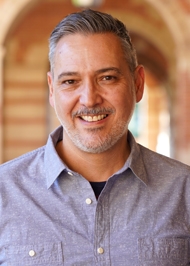
Sociocultural Anthropology
Contact Information
Email: shorter@ucla.edu
Office: 130F Kaufman Hall

Teaching and Learning of Mathematics; Culture, Education, and Technology; Cross-Cultural Comparisons of Teaching
Contact Information
Email: stigler@ucla.edu
Office: Psychology 2279B

Cultural production in the US; cultural industries in the US; consumer culture in the US; globalization of popular culture (especially music); anthropology of media; anthropology of capitalism; neoliberal capitalism; economy and value
Subfield:Sociocultural Anthropology
Contact Information
Email: tdtaylor@ucla.edu
Office: 2520 Schoenberg Music Building
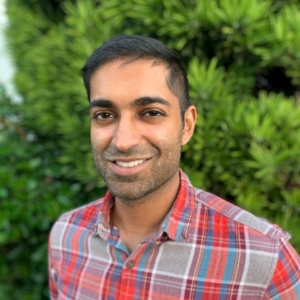
Science, Medicine, and the Environment; Climate Change; Race; Design; Historical Anthropology; South Asia
Subfield:Sociocultural and Medical Anthropology
Contact Information
Email: bvenkat@ucla.edu
Adjunct Faculty

Culture and power; legal anthropology; affect theory; transnationalism; globalization and diaspora theory; social and cultural theory; the anthropology of africa; race and globalization; controversies and dilemmas in social movements; critical approaches to international law and treaty-making practices; religious nationalism; the anthropology of expertise; the anthropology of geospatial technologies. Regions: Nigeria-West Africa; Oyotunji African Village; the USA; International Criminal Courts/Tribunals-The Hague, African Union-Addis Ababa; the African Court of Justice and Peoples' Rights
Contact Information
Email: kamariclarke@ucla.edu

Language and identity; language socialization; parenting and family life; Institutional ideologies and everyday practices; morality; food and health; U.S., Italy, France
Contact Information
Email: tksadlik@ucla.edu
Office: A75A Haines Hall
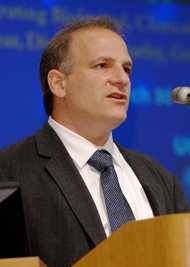
Transcultural psychiatry, ethnographic film, Indonesia (Bali, Java), mental illness, traditional healing, trauma and social violence, neuroanthropology
Subfield:Psychological and Medical Anthropology
Contact Information
Email: lemelson@ucla.edu
Office: 374 Haines Hall
Contact Information
Email: trt@aasc.ucla.edu
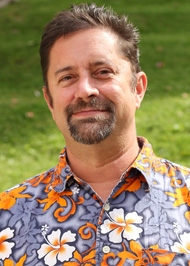
Archaeological and zooarchaeological research along the eastern Pacific Rim; food and ethnicity; development of social complexity; Caribbean Panama; neotropical archaeology; historical archaeology; natural history; human paleoecology; paleoenvironmental reconstruction; comparative osteology
Subfield:Archaeology
Contact Information
Email: twake@ucla.edu
Office: A357 Fowler
Research Faculty

Gender, reproduction, healthocial impact of decoding the human genome, reproductive politics; Latin America, urban U.S.
Subfield:Medical Anthropology
Contact Information
Email: browner@ucla.edu
Office: 760 Westwood Plaza, Box 62
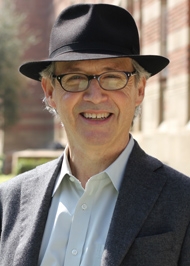
Linguistic anthropology, ethnopragmatics, phenomenological and anthropological theories of intentionality and human agency, political discourse, literacy activities, improvisation in language and music; jazz aesthetics; history of US anthropology; Samoa, U.S., Italy
Subfield:Linguistic Anthropology
Contact Information
Email: aduranti@anthro.ucla.edu
Office: 349 Haines Hall

Ethnography of communication; embodied human interaction; conversation analysis; language and gender; family interaction; workplace ethnography; children's social organization
Subfield:Linguistic Anthropology
Contact Information
Email: mgoodwin@anthro.ucla.edu
Office: 309 Haines Hall

Gender; political economy; social movements; postcolonial and cultural studies; nationalism and colonialism; diaspora; aesthetics; Islam/Islamism; Middle East and Africa (mainly Sudan and Eritrea)
Subfield:Sociocultural Anthropology
Contact Information
Email: sonhale@ucla.edu
Office: 309 Haines Hall

Discourse structures, grammar in context, language and affect, spoken and written language. Language acquisition and language socialization (development/transmission of sociocultural knowledge through language, socialization of cognitive skills through language). Cross-cultural communication. Madagascar, Samoa, U.S., Italy
Subfield:Linguistic Anthropology
Contact Information
Email: eochs@anthro.ucla.edu
Office: 318A Haines Hall

Critical cultural and social theory, including feminist theory; late capitalism in the US and globally; contemporary American culture in the wider world; theory and ethnography of media; Hollywood and the indie film scene
Subfield:Sociocultural Anthropology
Contact Information
Email: sortner@anthro.ucla.edu
Office: 318A Haines Hall

Sociocultural anthropology, historical anthropology, political economy, gender studies; colonialism and nationalism; Japan and East Asia; Mexico and Spain (Catalonia)
Contact Information
Email: mtamanoi@anthro.ucla.edu
Office: 341 Haines Hall
American Indian historical demography, American Indian revitalization movements, American Indian winter counts, contemporary American Indian issues
Contact Information
Email: rthornto@ucla.edu
Office: 318A Haines Hall
Emeritus Faculty
Human ethology and ecology; evolutionary theory and cross-cultural patterns of mother-infant interaction
Subfield:Biological Anthropology
Contact Information
Email: nickbj@ucla.edu
Mathematical models of cultural evolution, evolutionary theory.
Subfield:Biological Anthropology
Contact Information
Email: rboyd@anthro.ucla.edu
Social movements, gender, work and kinship, political economy, theory, migration, race and contemporary North American cultures.
Subfield:Sociocultural Anthropology
Contact Information
Email: kbrodkin@anthro.ucla.edu
South American archaeology, iconography, ancient technology
Subfield:Archaeology
Contact Information
Email: cdonnan@anthro.ucla.edu
Office: A332 Fowler
Linguistic anthropology, ethnopragmatics, phenomenological and anthropological theories of intentionality and human agency, political discourse, literacy activities, improvisation in language and music; jazz aesthetics; history of US anthropology; Samoa, U.S., Italy
Subfield:Linguistic Anthropology
Contact Information
Email: aduranti@anthro.ucla.edu
Office: 349 Haines Hall
Ethnography of communication; embodied human interaction; conversation analysis; language and gender; family interaction; workplace ethnography; children's social organization
Subfield:Linguistic Anthropology
Contact Information
Email: mgoodwin@anthro.ucla.edu
Office: 309 Haines Hall
Cultural and political ecology, research design, psychological anthropology; native South America, Latin American communities
Subfield:Sociocultural Anthropology
Contact Information
Email: ajohnson@ucla.edu
Human evolution, bioarchaeology, evolutionary theory, anthropological forensics, paleopathology; Africa.
Subfield:Biological Anthropology
Contact Information
Email: kennedy@anthro.ucla.edu
Office: 348 Haines Hall

Primate social behavior; human ethology and evolutionary psychology; personality; psychopathy; life history
Contact Information
Email: jmanson@anthro.ucla.edu
Office: 389 Haines Hall
Urban anthropology, sociolinguistics, Afro-American culture; Caribbean
Subfield:Sociocultural Anthropology
Contact Information
Email: cmkernan@ucla.edu
Office: 2134B Rolfe Hall
Culture theory, comparative religion, aesthetic systems; Oceania.
Subfield:Sociocultural Anthropology
Contact Information
Email: plnewman640@gmail.com
Discourse structures, grammar in context, language and affect, spoken and written language. Language acquisition and language socialization (development/transmission of sociocultural knowledge through language, socialization of cognitive skills through language). Cross-cultural communication. Madagascar, Samoa, U.S., Italy
Subfield:Linguistic Anthropology
Contact Information
Email: eochs@anthro.ucla.edu
Office: 318A Haines Hall
The archaeology of state formation and urban growth in Ghana and Togo; archaeology of the African Diaspora; cultural conservation and archaeological education in tropical Africa; postage stamps and national cultural policy
Subfield:Archaeology
Contact Information
Email: merrick@history.ucla.edu
Office: 6265 Bunche Hall
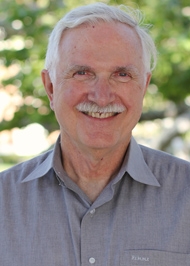
Mathematical anthropology, structural logic of kinship terminologies, theory of social organization, cultural evolution, archaeological classification
Subfield:Archaeology, Biological and Sociocultural Anthropology
Contact Information
Email: dread@anthro.ucla.edu
Biological anthropology, primate behavior, evolutionary biology.
Subfield:Biological Anthropology
Contact Information
Email: jsilk@anthro.ucla.edu
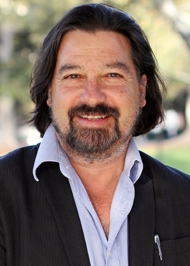
Andean anthropology, settlement archaeology, and the evolution of social complexity
Subfield:Archaeology
Contact Information
Email: stanish@anthro.ucla.edu
Office: 309 Haines Hall

Culture, human development and the family; children & families at risk; integration of qualitative & quantitative methods; evidence-informed policy; Africa, United States
Subfield:Psychocultural and Medical Anthropology
Contact Information
Email: tweisner@ucla.edu
Office: 318A Haines Hall
Ethnology, cognitive anthropology; South America
Subfield:Sociocultural Anthropology
Contact Information
Email: jwilbert@ucla.edu

375 Portola Plaza
RM 341 Haines Hall
Los Angeles, CA 90095